Forest trails
Lower slopes offer shaded trails, birds, and occasional primate sightings. This is a mountain visit, not a conventional game-viewing safari.
Arusha - Tanzania
Tanzania Safari Rafiki
Plan a mountain journey through forest, moorland, and alpine landscapes.
Choose your experience around preparation, time, and personal goals, from guided day visits to a summit trek.
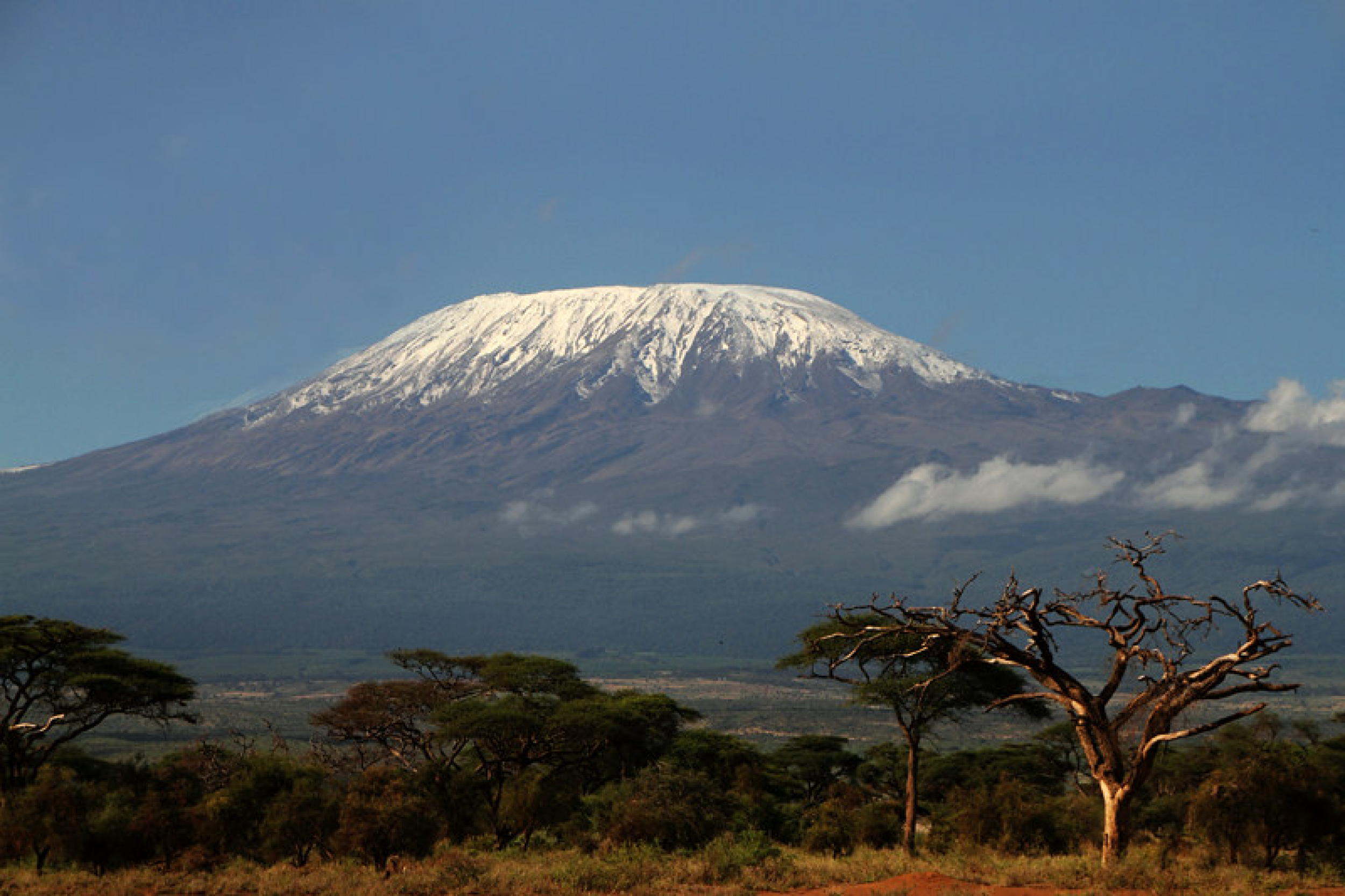
Kilimanjaro combines forested slopes, open moorland, and stark alpine scenery. A summit trek is a demanding multi-day journey; a guided lower-slope visit offers a different way to experience the mountain.
Lower slopes offer shaded trails, birds, and occasional primate sightings. This is a mountain visit, not a conventional game-viewing safari.
Vegetation changes as the trail climbs. Take time to appreciate the landscape rather than treating every day as a summit countdown.
Higher terrain becomes more exposed. Weather and visibility affect the experience, so views cannot be guaranteed.
Reaching the summit depends on conditions and your response to altitude. Turning back can be the right decision.
Uses mountain huts rather than tents. Compare the daily ascent and acclimatization schedule, not just accommodation.
Camping routes with different approaches. Ask for a day-by-day plan showing walking stages and overnight stops.
Alternative approaches require careful comparison of terrain, pace, and suitability. Share your trekking experience before selecting.
Ask about an authorised forest walk or Shira Plateau visit. Confirm access, duration, and guiding separately from a summit climb.
Moshi or Marangu accommodation can support arrival and preparation. Confirm transfers and time for an equipment check.
Mandara, Horombo, and Kibo provide mountain hut accommodation. Confirm sleeping arrangements and what bedding to bring.
Ask which tents, sleeping equipment, meals, and camp facilities are included. Mountain camps are not safari lodges.
Allow recovery time and confirm your hotel and onward connection rather than assuming an immediate departure.
Discuss seasonal conditions for your route and dates. Rain, wind, and cold can affect any departure.
Compare time on the mountain, not simply the shortest itinerary. Report symptoms promptly to your guide.
Request a route-specific packing list covering warm layers, rain protection, footwear, and a headlamp. Confirm rental availability.
Discuss health concerns with a qualified clinician. Check insurance terms for the planned altitude, trekking, and evacuation.
Consider a separate park visit after allowing recovery time. Explore Arusha →
Add game drives through contrasting savannah landscapes. Explore Tarangire →
Plan a crater visit within a longer northern safari. Explore Ngorongoro →
Allow time for island relaxation and connecting travel. Explore Zanzibar →
Share previous trekking, available days, and accommodation preferences.
Confirm the route, crew arrangements, equipment, meals, and emergency procedures before booking.
Coordinate arrival, recovery days, safari extensions, and onward travel together.
Request a route-specific schedule, including acclimatization, arrival, and recovery. Avoid selecting solely by the shortest duration.
No. Climbs must be organised through a licensed operator with guides.
No. Marangu uses huts; other standard routes use designated camping areas.
No. Weather and altitude response can change plans. Your wellbeing takes priority over reaching the summit.
Yes. Ask about an authorised day visit and confirm the route and access arrangements.
Your dates, group size, trekking experience, available days, and preference for huts or camping.
Tell us about your mountain goals and travel dates so we can discuss a suitable route and wider Tanzania trip.