Predators and plains wildlife
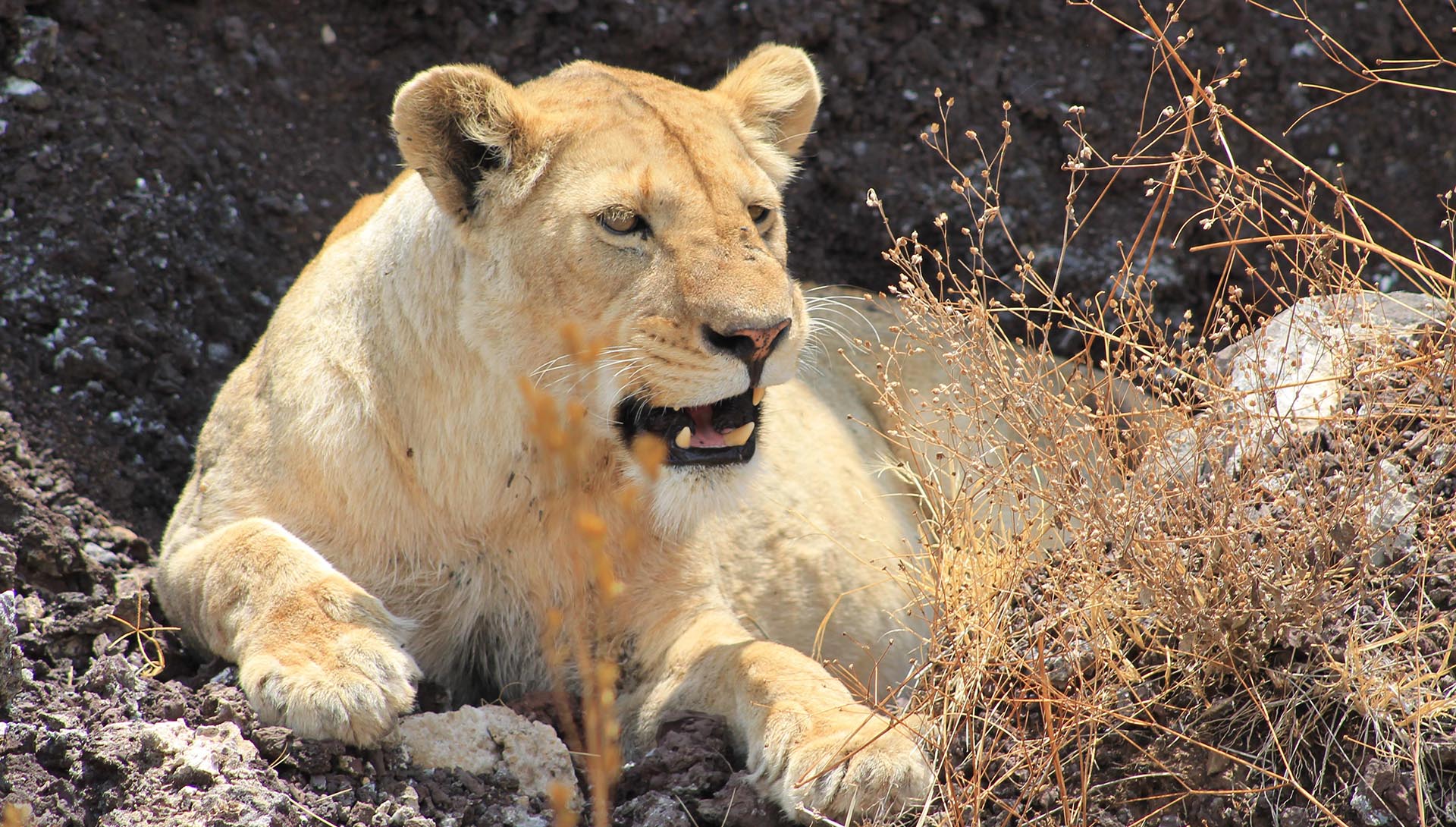
Watch for lions, spotted hyenas, wildebeest, zebra, and buffalo across the grasslands. Allow time to observe behaviour as well as identify species; sightings depend on where wildlife is moving that day.
Arusha - Tanzania

Tanzania Safari Rafiki
Discover a remarkable volcanic landscape, resident wildlife, and Tanzania's scenic highlands.
From the rim, Ngorongoro opens into an immense natural amphitheatre. Below, open plains, forest, and wetlands create a varied setting for a wildlife drive. Give the crater a considered place in your safari, with enough time to enjoy the descent, the changing habitats, and the views.
Ngorongoro Crater sits within the wider Ngorongoro Conservation Area in northern Tanzania. A descent from the highlands leads into a volcanic landscape of grassland, woodland, wetlands, and a shallow lake. The enclosing crater walls provide a dramatic backdrop to a day of wildlife watching.
The crater and the wider conservation area offer different experiences. A crater-floor game drive focuses on wildlife; extra time in the highlands can add scenery and visits beyond the main descent route. Decide which experience matters most before choosing your overnight base.
Watch for lions, spotted hyenas, wildebeest, zebra, and buffalo across the grasslands. Allow time to observe behaviour as well as identify species; sightings depend on where wildlife is moving that day.
Ngorongoro provides an opportunity to look for black rhino, but a sighting is never guaranteed. Binoculars are useful when wildlife is distant; viewing remains on authorised tracks.
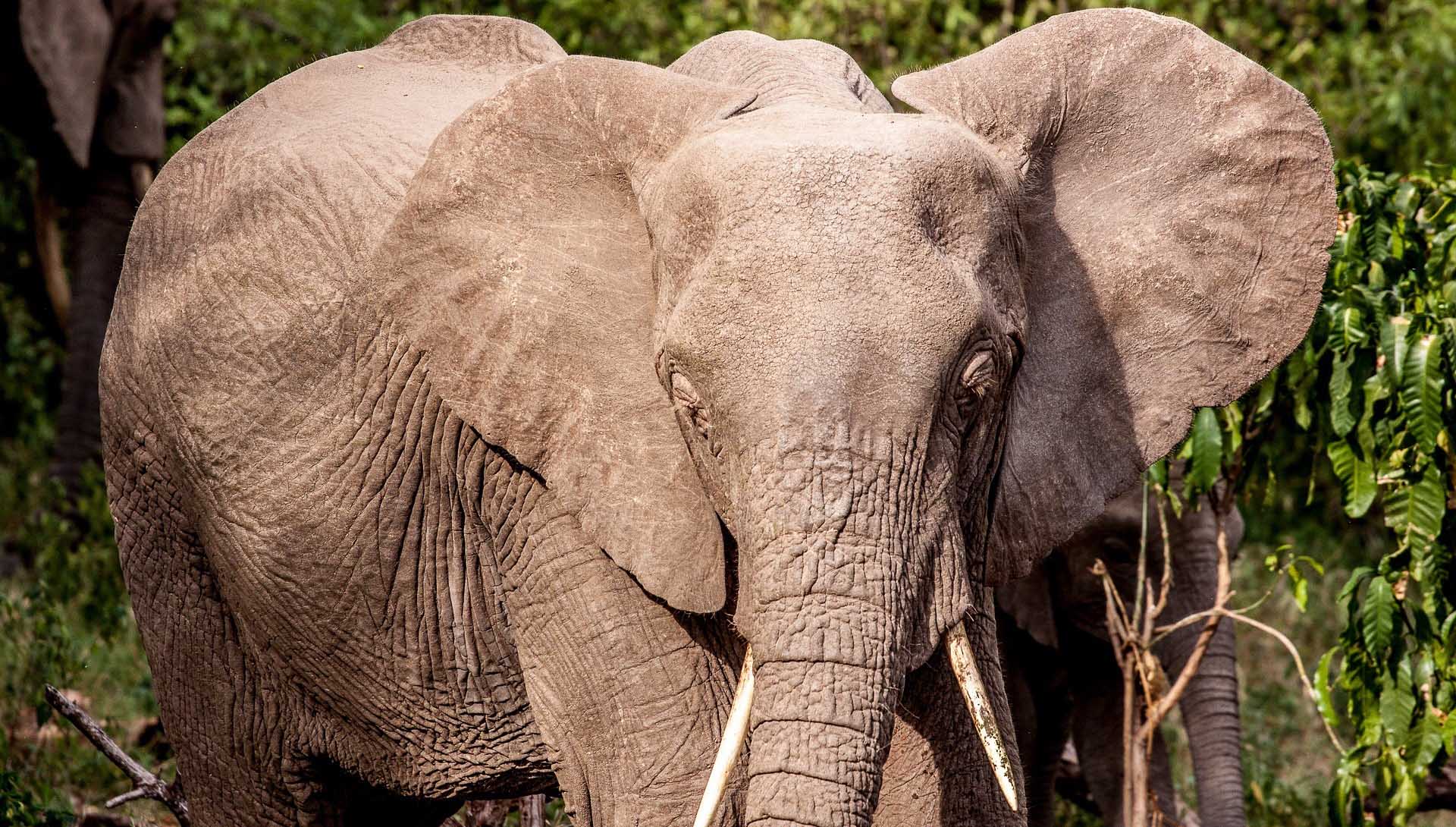
Hippos use the wetland areas, while elephants may be encountered around suitable habitats. Lake Magadi and the surrounding grasslands bring a different scene from the woodland edges.
Birdwatching adds interest between larger wildlife sightings. Water levels influence the lakeshore scene, and flamingos may be present when conditions suit them. Stop at a rim viewpoint to appreciate the caldera's scale.
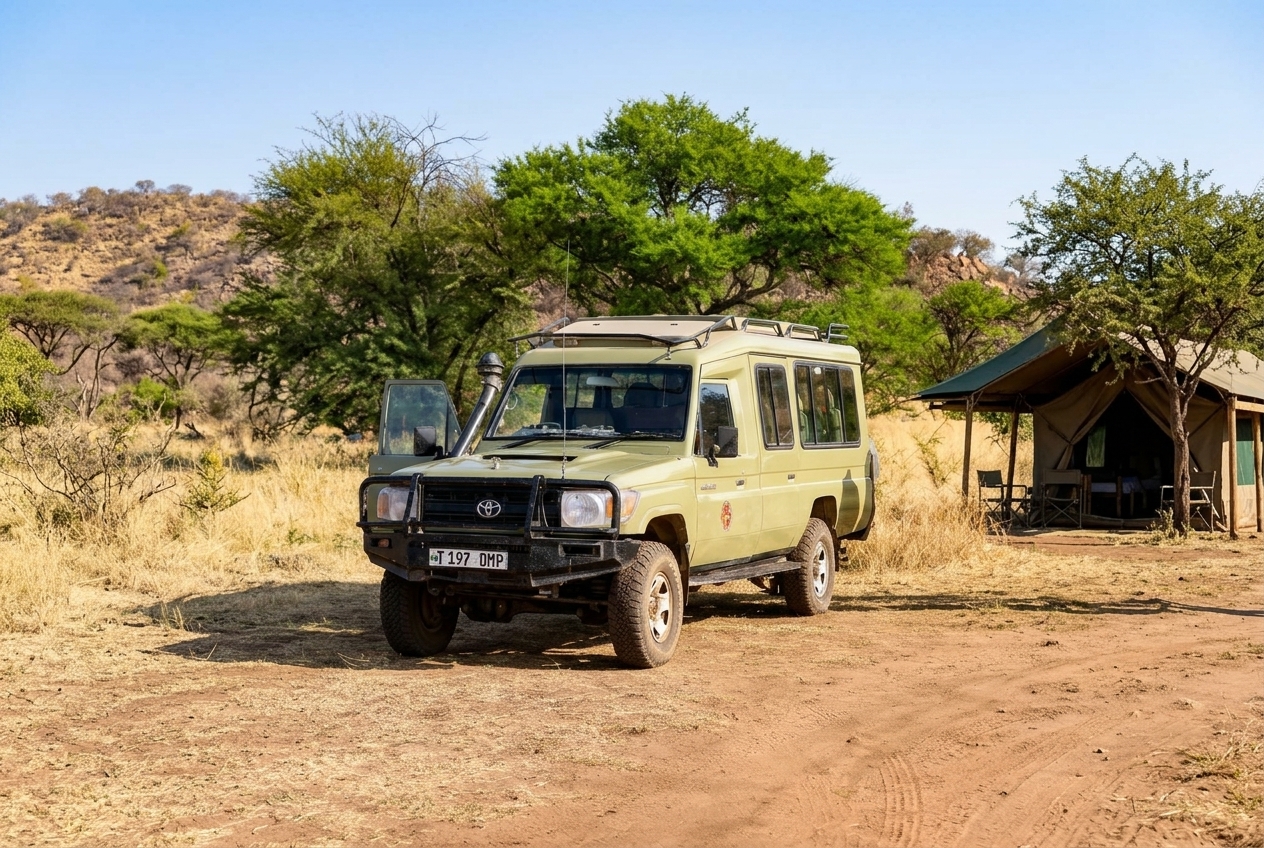
Make the crater descent the focus of your visit. Discuss departure time, the overnight location, planned stops, and onward travel so your wildlife viewing is not squeezed between long transfers.
The rim, crater walls, and open grassland offer contrasting perspectives. A flexible pace helps photographers spend time with a scene. Pack a longer lens or binoculars for distant wildlife.
Walking in designated parts of the wider conservation area is a separate activity from the crater-floor game drive. Confirm the permitted route, guide arrangements, walking difficulty, and weather conditions before adding it.
With extra time, discuss an Olduvai Gorge visit or a locally arranged cultural experience in the wider area. These need separate time in the itinerary; seek consent before photographing people.
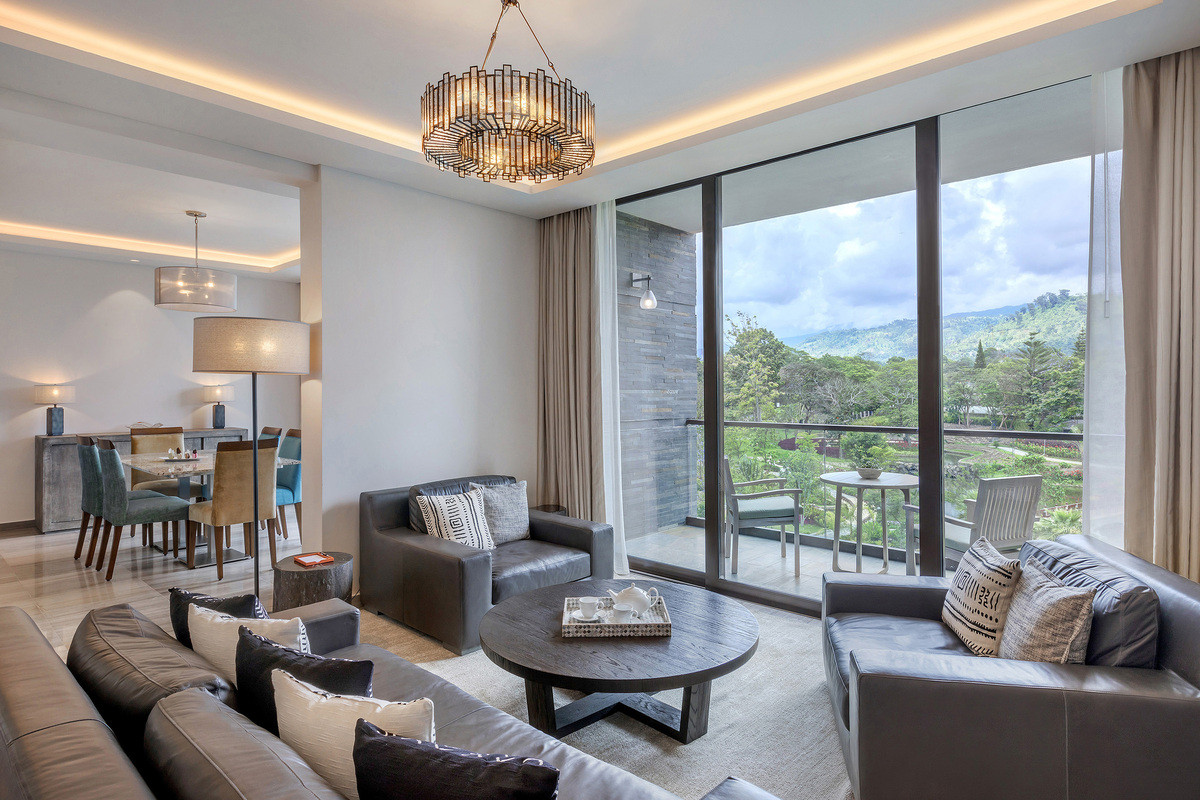
A rim location suits travelers who value the highland setting and proximity to crater access routes. Ask about the specific lodge's views and drive to the descent road; not every property offers the same outlook.
Karatu is another base to consider for a crater visit. Compare the morning drive with your planned arrival and next destination, rather than choosing accommodation on its description alone.
Camps offer a different atmosphere from larger lodges. Check their precise location: a camp elsewhere in the conservation area is not necessarily near the crater rim.
Share your preferred comfort level, room arrangements, and any children's ages. Confirm which facilities and meals are included and how the location affects the time available for your crater visit.
Drier conditions generally favour wildlife viewing around permanent water. The authority describes May to October as the dry-season period. Highland mornings can still feel cool; bring layers for early starts.
Rain brings greener scenery and seasonal birdlife. The authority describes November to April as the rainy period, although actual conditions vary. Allow flexibility for weather when planning highland activities.
The crater offers resident wildlife viewing. Migration and calving experiences elsewhere in the wider ecosystem need separate route planning; they should not be assumed to occur on your crater-floor drive.
Start with the experience you want and the destinations you will combine. Confirm accommodation availability and expected conditions for your dates before finalising the trip.
Combine the compact crater setting with the Serengeti's expansive plains. Include sufficient time for the transfer and for game viewing in each destination. Explore Serengeti →
Add baobab landscapes and another wildlife setting to your northern journey. Explore Tarangire →
Forest and lakeshore habitats offer a contrast to the crater floor. Explore Lake Manyara →
Follow your safari with beach time and island exploration. Plan the flight connection alongside your final mainland overnight. Explore Zanzibar →
Tell us your available days, interests, and travel pace. We can discuss how a crater visit fits into your wider Tanzania journey.
Compare locations and comfort preferences alongside the driving plan. Understand how your overnight base affects your crater day.
Ask about transfers, planned activities, room arrangements, and what is included before confirming. Share any needs that could affect your travel day.
Plan a dedicated crater visit and consider staying nearby beforehand. Additional nights are useful if you want highland activities or a more relaxed journey; transfer time depends on your other stops.
Several iconic safari species occur in the conservation area, but finding all five on one crater visit is not guaranteed. Treat particular sightings as possibilities, not promises.
No. The crater is one part of the much larger Ngorongoro Conservation Area. Check exact activity and accommodation locations when comparing trip plans.
A family visit should reflect children's ages, tolerance for driving, and the accommodation's policies. Discuss stops, room arrangements, and any activity restrictions when enquiring.
Do not assume a crater game drive includes a walking safari. Walking experiences in the wider conservation area require a permitted location and appropriate guide arrangements.
Compare scenery, comfort, driving time, and your onward route. Ask for the specific property's location and its transfer to the crater access road.
Tell us when you want to travel, who is joining you, and whether Ngorongoro is your main wildlife experience or part of a longer safari. Share your accommodation preferences and the other destinations you would like to include.