June to October
The main dry season is popular for game drives, walking, comfortable daytime conditions, and combining northern parks with Zanzibar.
Arusha - Tanzania

Tanzania Safari Rafiki
Choose the right season for wildlife safaris, Kilimanjaro, Zanzibar, and Tanzania's diverse landscapes.
Tanzania is a year-round destination, but weather, wildlife movements, trail conditions, and visitor numbers vary by region and season. The best dates depend on whether you want a classic safari, the Great Migration, a Kilimanjaro climb, a Zanzibar beach holiday, or a combination.
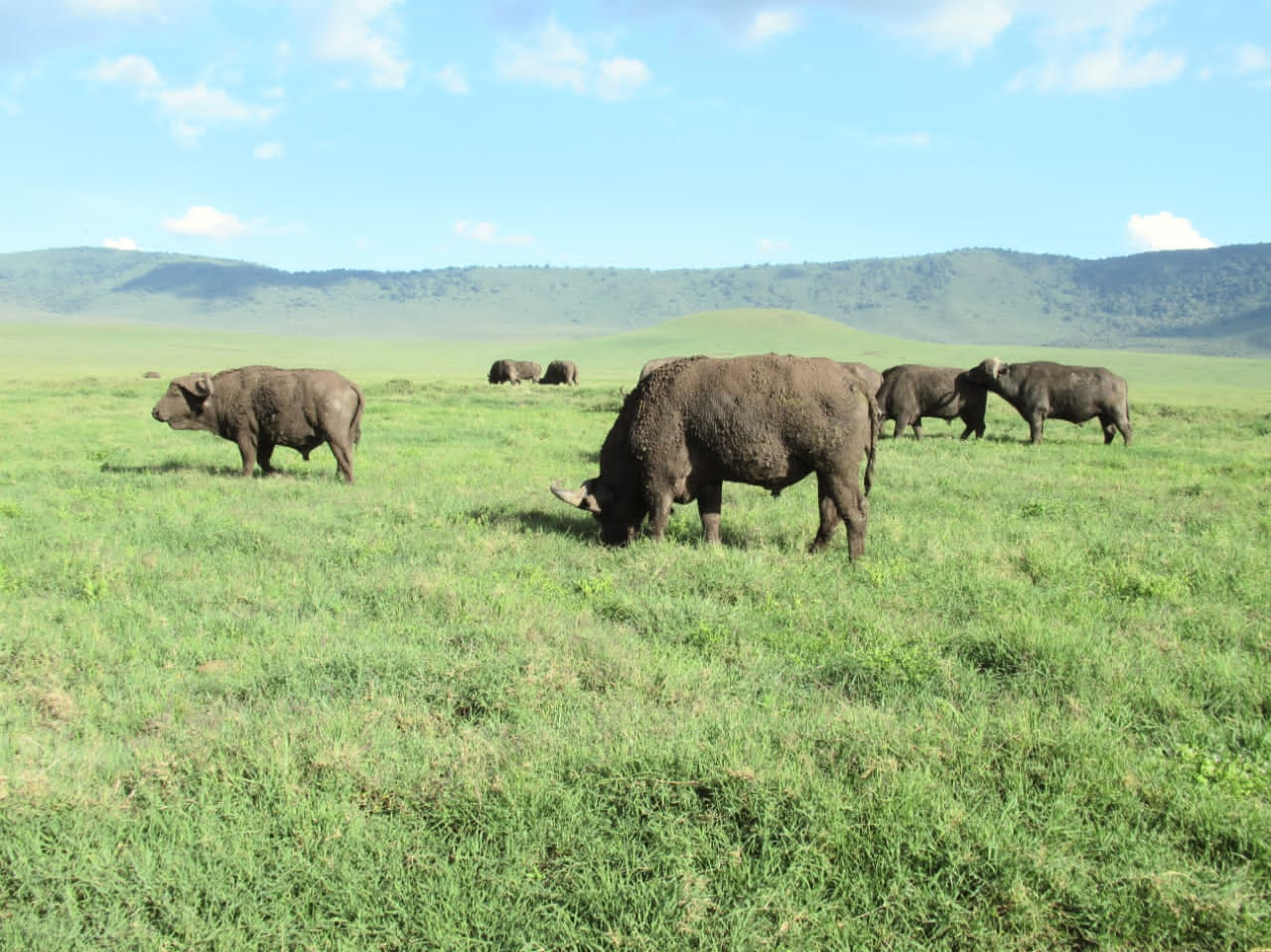
June to October is commonly chosen for generally dry conditions, comfortable safari days, and strong wildlife viewing in many parks. January and February can also be excellent, especially for warm weather, calving-season experiences in the southern Serengeti, and combining a safari with Zanzibar.
The green seasons from November to May bring changing conditions, fewer visitors in some areas, and lush scenery. Rain does not necessarily stop a trip, but flexible plans are useful.
The main dry season is popular for game drives, walking, comfortable daytime conditions, and combining northern parks with Zanzibar.
Warm and often relatively dry, with excellent opportunities for safari, young wildlife in some areas, and beach extensions.
Short rains can bring showers between sunny periods. Landscapes become greener and some areas may feel quieter.
The long rains can make conditions more variable. Flexible travelers may enjoy fresh landscapes and quieter travel periods.
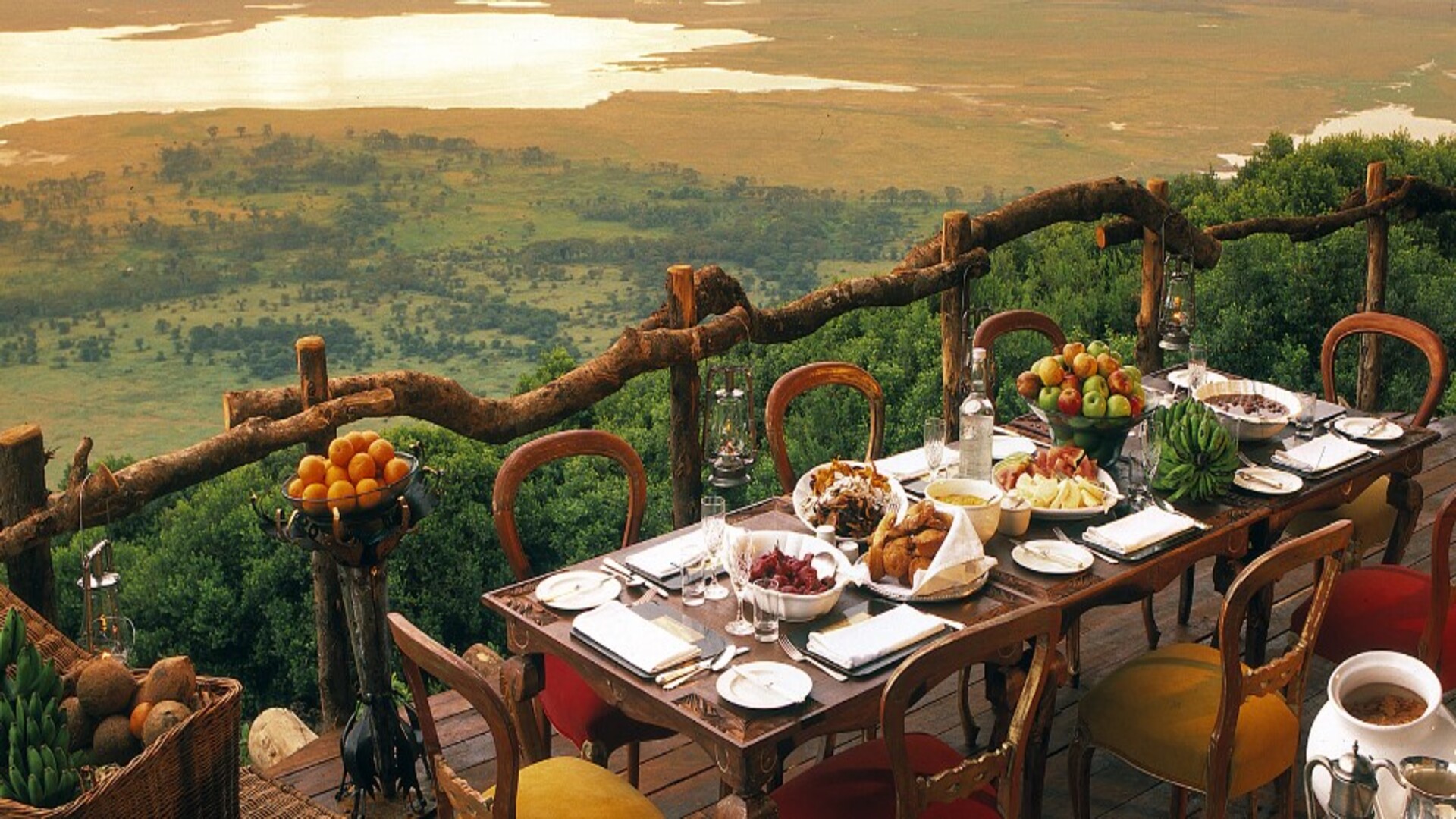
June to October is popular for dry-season wildlife viewing. Migration locations change through the year, so dates should be planned around the expected movement of the herds.
The crater can be visited throughout the year. Dry months may make game viewing easier, while green periods bring beautiful scenery.
Wildlife often gathers around water during the dry season, while the green season offers fresh vegetation and changing birdlife.
These parks can complement a northern circuit at different times of year. Your route should match the landscapes and activities you want.
The Great Migration moves through the Serengeti ecosystem rather than following one fixed date. Calving, river crossings, and different grazing areas occur in different places and months.
Tell us which experience matters most, how flexible your dates are, and how long you have available. A careful route plan is more useful than relying on a single “migration month.”
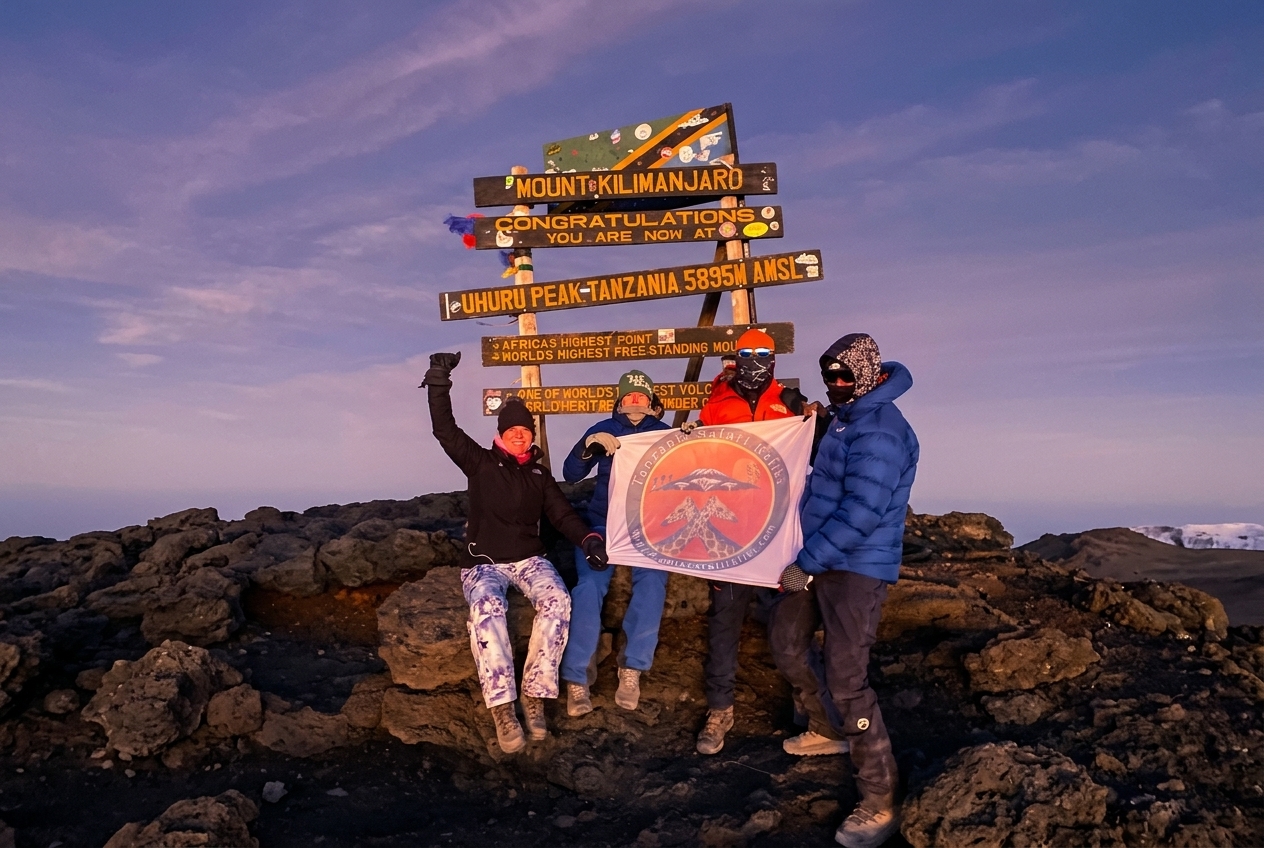
January to early March and June to October are popular climbing windows because conditions are often more suitable. Weather changes quickly on the mountain, and every route crosses several climate zones.
Choose dates based on your preferred route, available days, preparation, and tolerance for changing weather. Longer itineraries can provide more time for acclimatization.
June to October is generally popular for dry, comfortable beach days, while January and February suit travelers who enjoy hotter weather and warm ocean activities. November and December can bring short showers, and April and May are usually the wettest months.
For a safari and beach combination, plan the mainland route and island stay together so transfers, recovery time, and your preferred experiences fit comfortably.
Choose the parks and wildlife experience first, then match dates to regional conditions and expected movements.
Allow time for game drives, walking, climbing, cultural visits, beach activities, and transfers without overloading the itinerary.
Decide whether you prefer a focused safari, a slower private journey, or a combination with Kilimanjaro or Zanzibar.
Pack for changing conditions and keep outdoor plans adaptable, especially in transitional or rainy seasons.
June to October is commonly chosen for dry-season travel, while January and February can be excellent for warm weather, safari, and beach combinations.
Yes. Green landscapes, fewer visitors in some areas, and changing wildlife experiences can make the rainy season rewarding if your plans are flexible.
The migration moves throughout the Serengeti ecosystem. The right dates depend on whether you want calving, river crossings, or another stage of the movement.
Yes. Many travelers visit northern parks before flying to Zanzibar for beaches, culture, and ocean activities.
January to early March and June to October are popular windows, but route, itinerary length, preparation, and mountain weather all matter.
Planning ahead is helpful for popular travel periods, specific accommodation, climbing dates, and carefully timed wildlife or beach combinations.
Share your travel dates, interests, group size, and the experiences you want to combine. We will help you build a Tanzania itinerary around the right season and pace.