Machame Route
A scenic southern approach through rainforest, Shira Plateau, and high-altitude landscapes. Usually 6–7 days, camping. A strong choice for varied scenery.
Arusha - Tanzania
Tanzania Safari Rafiki
Everything you need to know before climbing from the rainforest to Uhuru Peak.
Climbing Mount Kilimanjaro takes you from lush tropical rainforest through open alpine landscapes to Uhuru Peak at 5,895 metres. The standard trekking routes are non-technical, but altitude, cold, long walking days, and changing weather make thoughtful preparation essential.
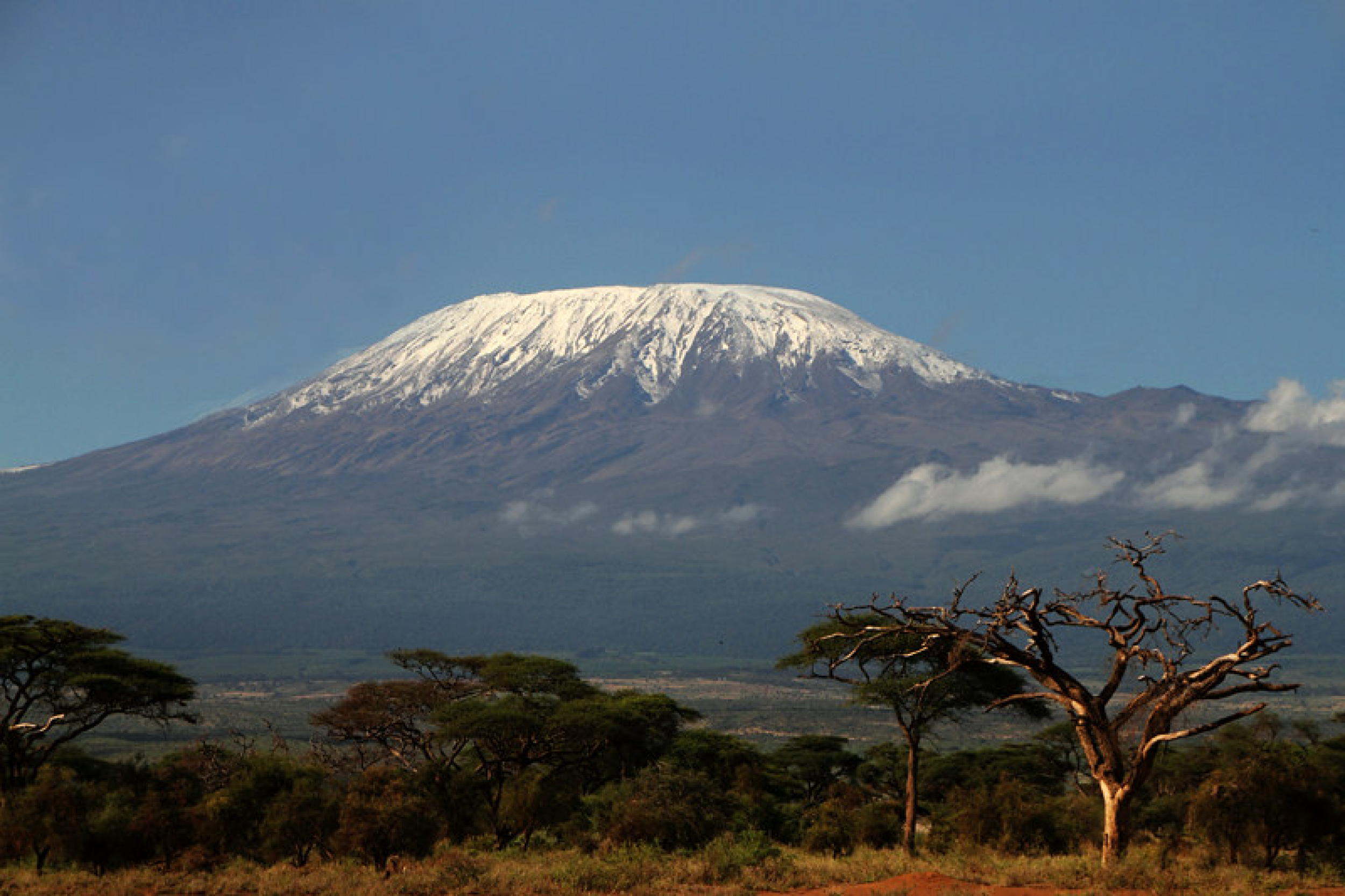
Kilimanjaro is Africa's highest mountain and the world's tallest free-standing mountain. Its three volcanic features, Kibo, Mawenzi, and Shira, create a remarkable journey through changing ecological zones.
From forested lower slopes to rocky alpine desert and the cold summit zone, the climb feels like several worlds within one mountain. The highest point, Uhuru Peak, sits on Kibo and attracts trekkers from around the world.
A scenic southern approach through rainforest, Shira Plateau, and high-altitude landscapes. Usually 6–7 days, camping. A strong choice for varied scenery.
A gradual western approach across the Shira Plateau. Usually 7–8 days or longer, camping. Suitable for climbers seeking scenery and acclimatization time.
The main hut route from the southeast. Usually 5–6 days, with longer options available. Suitable for trekkers who prefer mountain huts.
A northern approach near the Kenyan border, usually 6–7 days or longer, camping. It offers a different perspective and quieter sections.
A longer route around the northern slopes, usually 8–9 days or longer, camping. It offers varied landscapes and more acclimatization time.
A steep southern approach, commonly 6–7 days. It is demanding and better suited to experienced trekkers who understand the challenge.
Prepare for several hours of walking over uneven ground, with long ascents and descents on some days.
Less oxygen is available as you climb. Even fit trekkers can experience altitude symptoms, so itinerary length and pace matter.
Rain, wind, cold, and strong sunlight can occur between the lower forest and summit. Layered clothing is essential.
A steady pace, patience, listening to your guide, and focusing on one stage at a time help you manage summit day.
Start several weeks or months before departure. Build gradually with regular walking, hills, stairs, cycling, swimming, or running. Add longer hikes on varied terrain and practise with your daypack, boots, socks, and clothing.
Step-ups, squats, lunges, and controlled step-downs can strengthen the legs for uphill walking and steep descents. Include consecutive walking days where practical. Fitness supports endurance, but it does not eliminate altitude risk.
Altitude sickness can affect anyone, regardless of age, fitness, or hiking experience. Headache, nausea, dizziness, unusual tiredness, and difficulty sleeping should be reported promptly.
Choose an itinerary with adequate acclimatization time, ascend gradually, follow your guide's instructions, and discuss medication or personal health concerns with a qualified healthcare professional. Confusion, difficulty walking, breathlessness at rest, or a worsening cough require immediate help, assessment, and descent.
The trek begins at a route gate and enters dense forest. Settle into a comfortable walking pace and mountain routine.
Rainforest gives way to moorland, rocky terrain, and alpine landscapes as your guide manages the group's progress.
The final ascent usually begins late at night or around midnight. Walk slowly toward Uhuru Peak, weather and safety permitting.
Descending can be tiring on the legs and knees. Take care on loose ground and allow time to recover after leaving the mountain.
Carry waste to designated disposal points, follow park regulations, and avoid disturbing vegetation.
Ask about fair working conditions, luggage limits, and transparent tipping guidance for guides, porters, and cooks.
Follow established paths and your guide's instructions in exposed or environmentally sensitive areas.
Look for clear communication about safety, staff welfare, environmental practices, and package arrangements.
Most standard summit itineraries take approximately five to nine days on the mountain. Longer itineraries generally allow more acclimatization time.
Many people without mountaineering experience attempt it, but it is a demanding high-altitude trek. Beginners should prepare carefully and choose a suitable itinerary.
Longer itineraries on routes such as Lemosho, Machame, or the Northern Circuit may offer useful acclimatization opportunities. The right route depends on your schedule and preferences.
Standard trekking routes are generally non-technical, but you need suitable boots, layered clothing, waterproof protection, warm summit clothing, and essential trekking equipment.
January to early March and June to October are popular windows, but conditions vary. Your dates, route, and weather preferences should guide the decision.
Yes. Many travelers combine Kilimanjaro with Serengeti, Ngorongoro, or Tarangire, and some extend their trip to Zanzibar after allowing time to recover.
Choose a route, prepare your body and equipment, and understand what to expect before you travel. Tell us your dates, group size, available days, and climbing experience.