Machame Route
Usually 6–7 days, camping. A scenic southern approach through rainforest, moorland, Shira Plateau, and Barranco. Suitable for trekkers seeking varied scenery and a well-established itinerary.
Arusha - Tanzania

Tanzania Safari Rafiki
Choose the route that matches your trekking goals, available time, and acclimatization needs.
From scenic forest trails and volcanic landscapes to the final ascent toward Uhuru Peak, every route offers a different mountain experience.
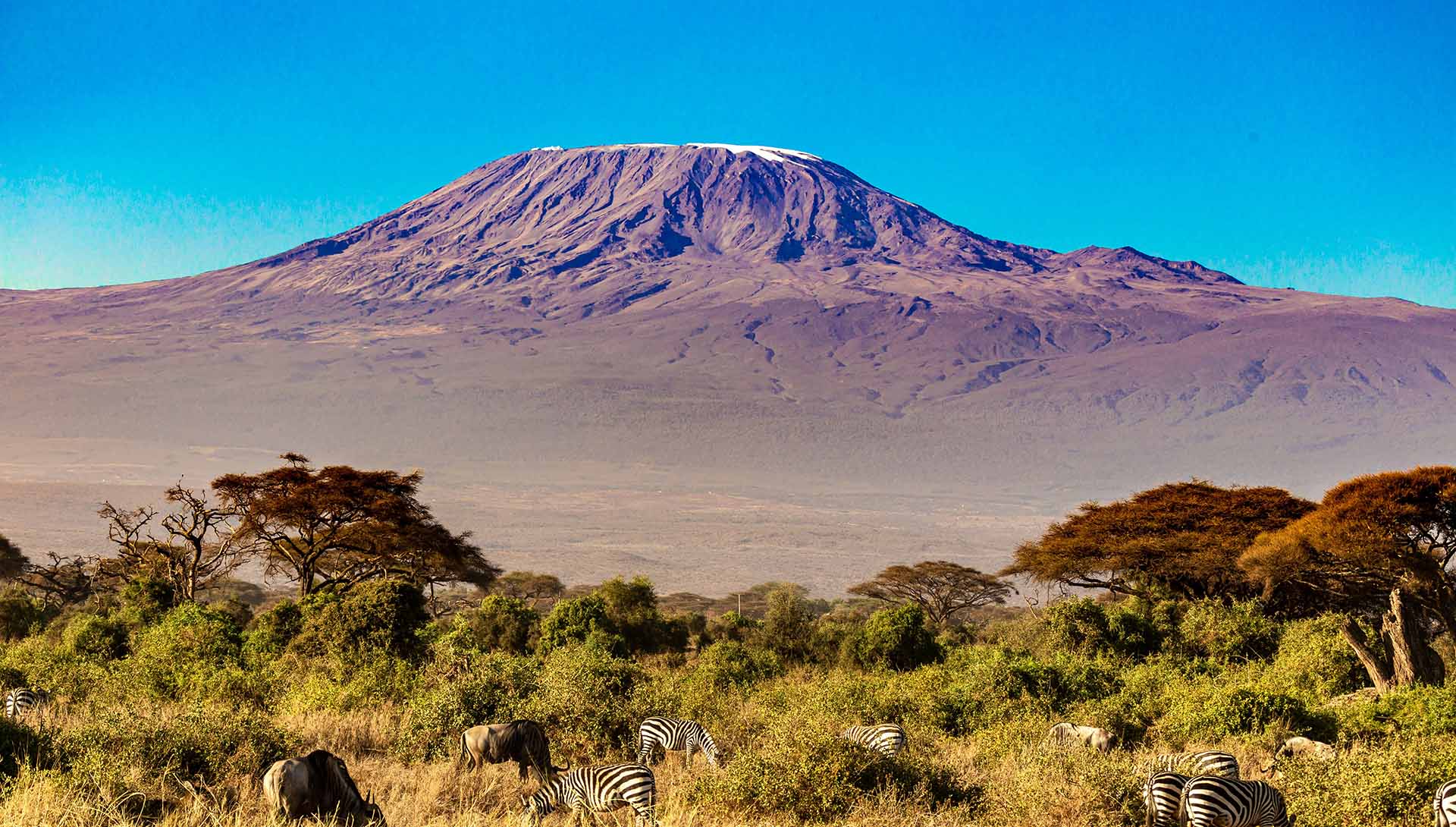
Choosing the right route is one of the most important decisions before your trek. Each approach offers different scenery, duration, accommodation, and time for your body to adjust to altitude.
There is no single best route for every climber. Your priorities, preparation, available days, and preferred pace should guide the choice.
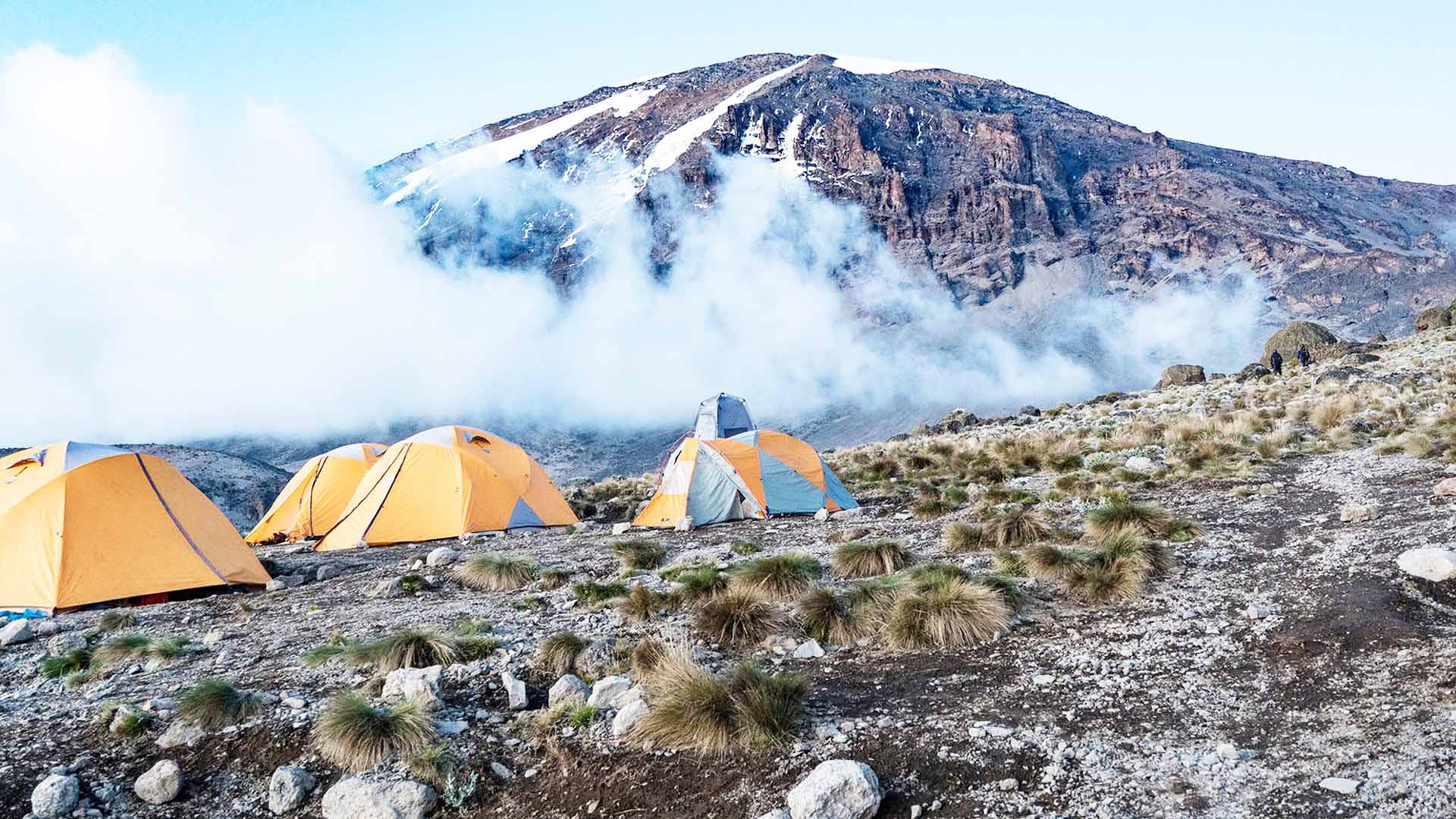
Usually 6–7 days, camping. A scenic southern approach through rainforest, moorland, Shira Plateau, and Barranco. Suitable for trekkers seeking varied scenery and a well-established itinerary.
Usually 7–8 days, camping. A scenic western approach with a gradual progression and useful acclimatization time. A strong option for climbers who value landscape and a longer ascent.
Usually 5–6 days, mountain huts. The main route with hut accommodation and a straightforward trail arrangement. Longer versions are worth considering for additional acclimatization.
Usually 6–7 days, camping. A northern approach with quieter early stages and a different perspective on the mountain. It typically descends via the Marangu side.
Usually 8–9 days, camping. The longest established route, with remote sections, varied landscapes, and more time for acclimatization.
Umbwe is steep and demanding; Shira begins at relatively high elevation. Both require careful itinerary planning and are better matched to suitable experience and preparation.
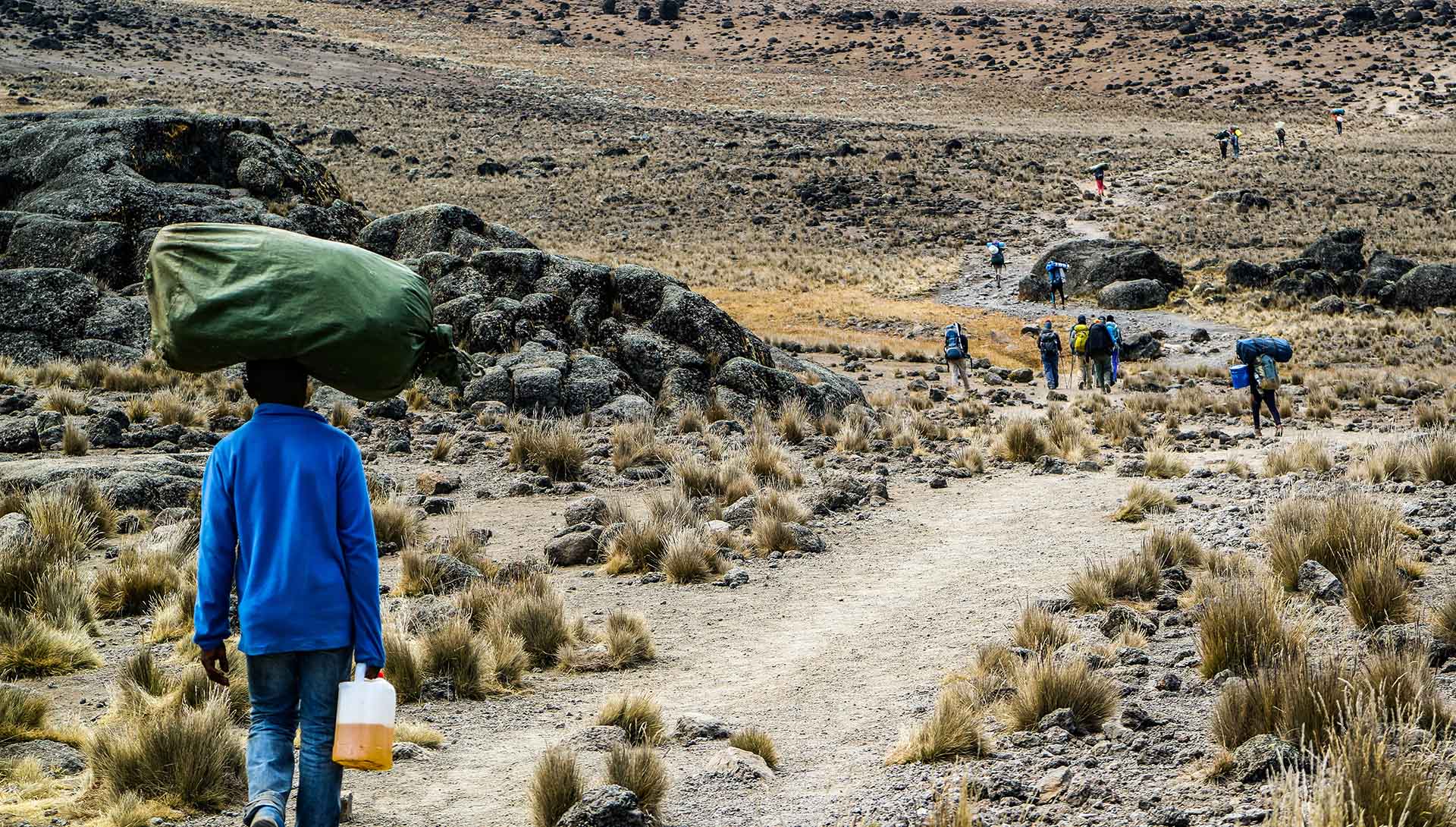
Machame and Lemosho offer varied landscapes from forest to alpine terrain.
The Northern Circuit and longer Lemosho itineraries allow more time on the mountain.
Marangu is the main route with hut accommodation throughout the trek.
Rongai and the Northern Circuit can offer quieter sections depending on season and traffic.
Umbwe is steep and direct. Consider it carefully because rapid altitude gain increases the demands of the climb.
A longer itinerary can provide a more gradual pace and additional acclimatization opportunity.
Longer itineraries generally provide more opportunity to adjust to altitude, but no route guarantees a successful summit.
Walking, hiking, stair climbing, and endurance training can help. Practise with the footwear and daypack you intend to use.
Walk at a manageable pace, stay hydrated according to your needs, and report headaches, nausea, dizziness, or unusual fatigue promptly.
Kilimanjaro crosses several climatic zones. Prepare for warm forest conditions, cold high winds, and freezing summit temperatures.
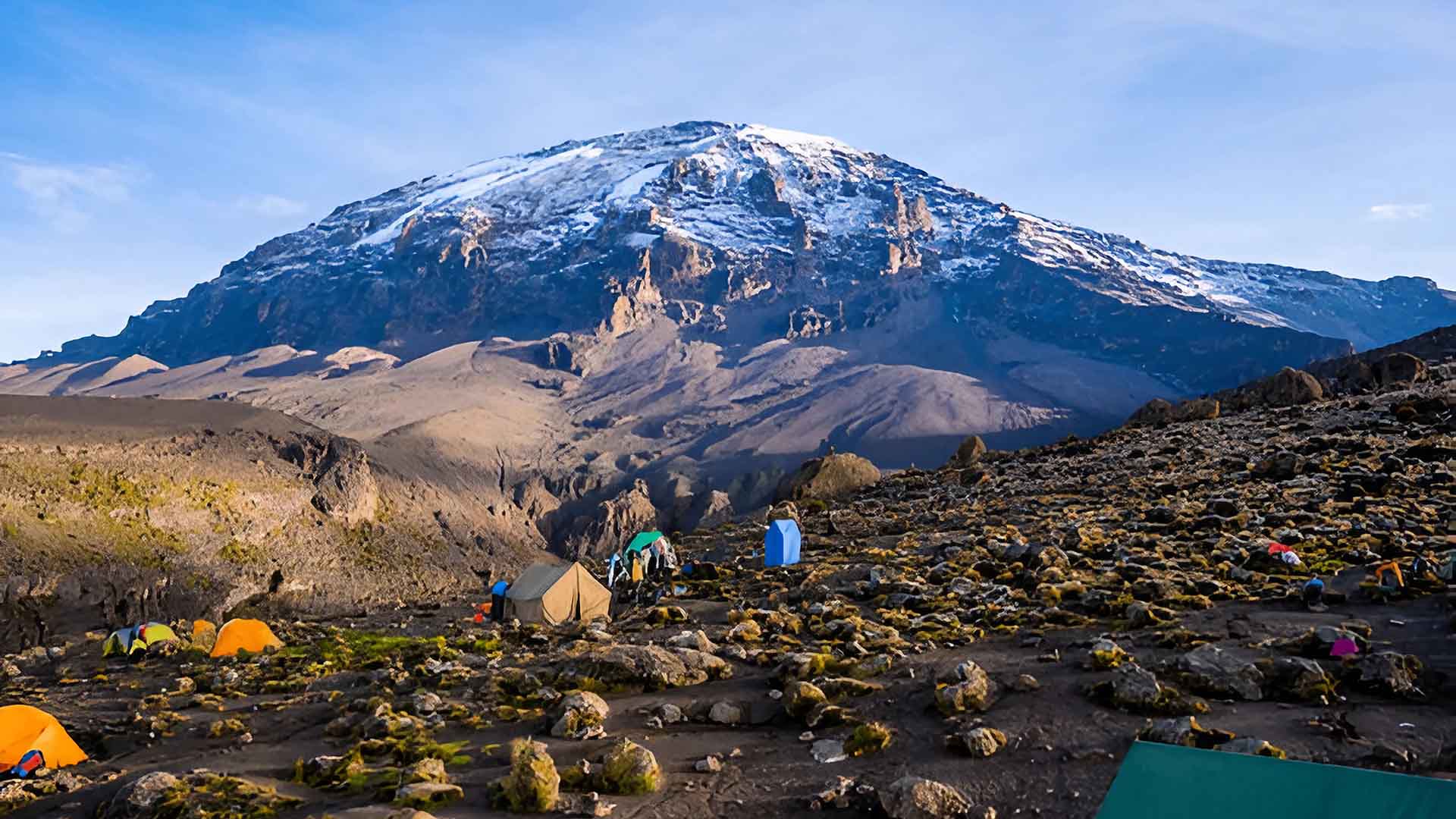
A popular climbing window with periods of favourable conditions, although mountain weather varies.
Often chosen for generally drier conditions, with higher demand during popular dates.
Short rains and changing conditions can affect the trail. The mountain remains climbable, but dates should be assessed carefully.
Regardless of season, prepare for rain, cold, wind, and rapidly changing mountain weather.
Moisture-wicking base layers, warm insulating layers, waterproof outerwear, trekking trousers, gloves, and suitable headwear.
Broken-in hiking boots with grip and ankle support, trekking socks, and blister-prevention supplies.
Confirm sleeping arrangements with your operator. A sleeping bag, headlamp, hydration system, toiletries, and personal medication are important.
Bring sunscreen, sunglasses, a warm hat, and equipment suitable for freezing summit conditions. Request a route-specific packing list.
Depending on the package: park and climbing fees, professional guides, support crew, meals, and drinking-water arrangements.
Camping equipment is used on camping routes; Marangu uses mountain huts. Confirm exactly what is provided.
Airport transfers, hotel transfers, and pre- or post-climb accommodation may be included where specified.
International flights, personal equipment, insurance, tips, and extra hotel nights may be separate. Confirm inclusions and exclusions before booking.
Compare duration, scenery, accommodation, and acclimatization opportunities.
Discuss dates, available time, trekking preferences, and previous hiking experience.
Understand the equipment and practical arrangements needed before arriving in Tanzania.
Start with your priorities and choose a route that fits your time and preparation.
Lemosho, Machame, and the Northern Circuit are popular for scenic variety and acclimatization. The right choice depends on your schedule, preferences, and preparation.
There is no easy route to the summit. Marangu has huts and a well-established trail, but shorter versions can provide less acclimatization time.
Marangu is the main established route with mountain hut accommodation. Most other standard routes use camping.
Most itineraries take approximately five to nine days on the mountain. Additional days may provide a more gradual ascent.
Many beginners attempt it, but it is a physically demanding high-altitude trek. Prepare carefully and choose sufficient acclimatization time.
No. Health, weather, itinerary length, and altitude response all affect the outcome.
Compare available days, accommodation, fitness, trekking experience, desired pace, and your preference for scenery or quieter trails.
Tell us your dates, group size, available days, and route preferences so we can discuss suitable options.
Standing on Uhuru Peak begins with choosing a route that suits your goals and preparation.
Tell us when you want to climb, how many days you have, and what kind of trekking experience you are looking for.