Travel documents
Keep your passport, visa information, travel insurance, flight details, accommodation confirmations, and emergency contacts accessible.
Arusha - Tanzania

Tanzania Safari Rafiki
Pack comfortably and confidently for game drives, walking, changing weather, and time in Tanzania.
The right packing list depends on your safari route, season, accommodation, activities, and onward travel. Pack light, choose versatile layers, and confirm luggage limits and included equipment before departure.
Keep your passport, visa information, travel insurance, flight details, accommodation confirmations, and emergency contacts accessible.
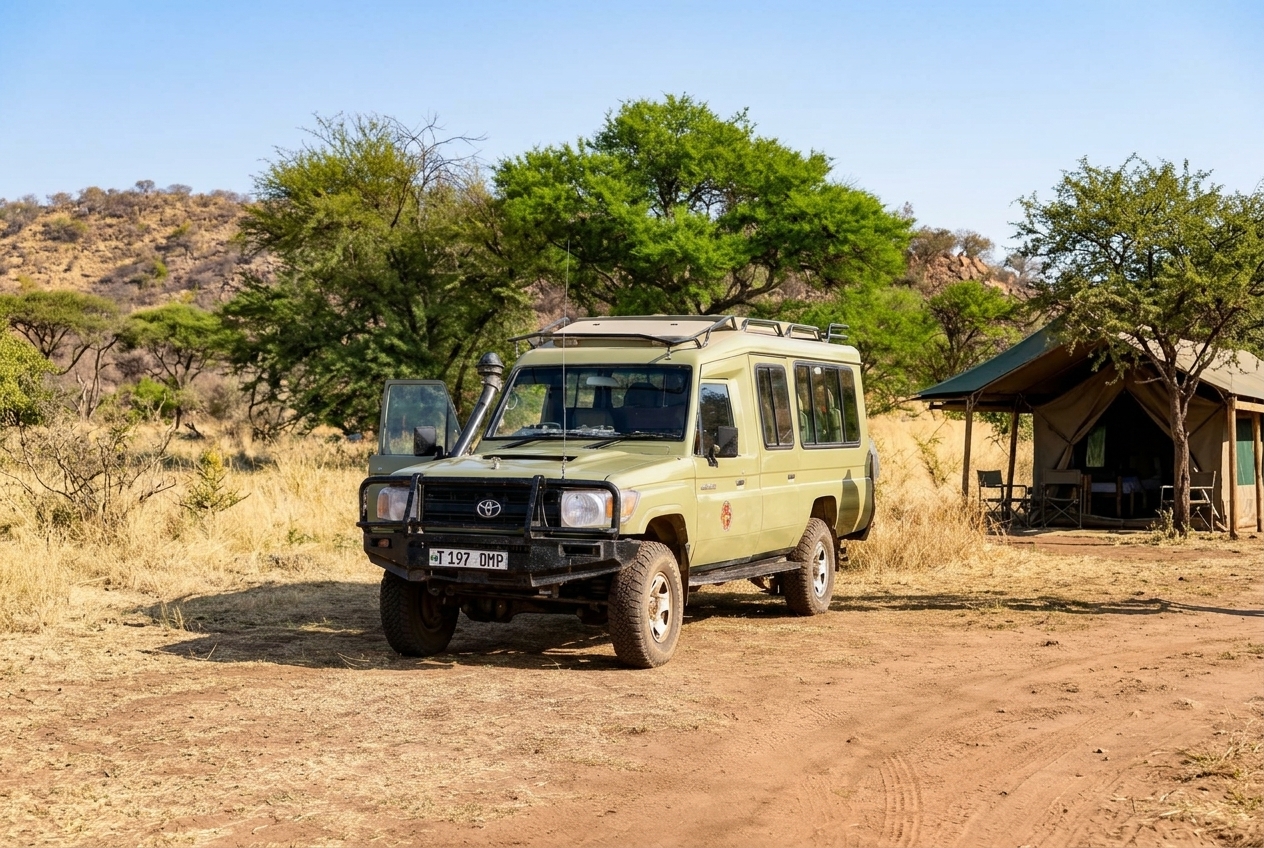
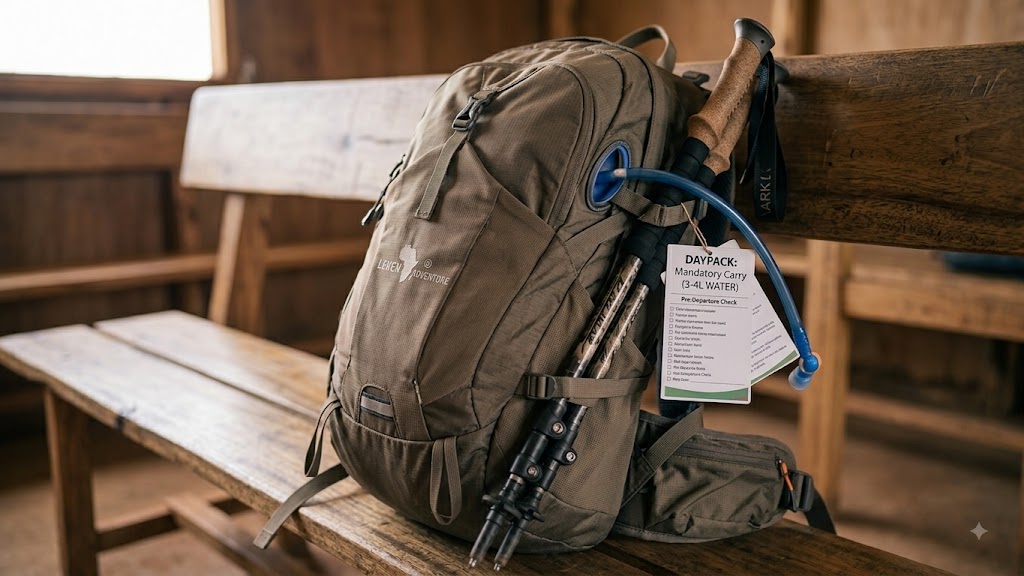
Use a small comfortable daypack for water, binoculars, camera equipment, sunscreen, a light layer, and personal medication.
Bring a refillable bottle and follow your guide's advice about safe drinking water during the itinerary.
Carry a charged phone, secure wallet, offline copies of key information, and medication in its original packaging.
Pack breathable shirts, comfortable trousers, shorts, and a light fleece or jacket for cool mornings and evenings.
A wide-brimmed hat, sunglasses, long sleeves, and sunscreen help during long days outdoors.
A compact waterproof jacket or poncho is useful during rainy periods and changing conditions on game drives.
Bring clothing that covers shoulders and knees for villages, cultural visits, and towns where appropriate.
Choose comfortable, broken-in closed shoes with grip for uneven ground, lodge paths, and short walks.
Light sandals are useful around camps, lodges, beaches, and after a long day outdoors.
If your itinerary includes a walking safari or hike, confirm footwear requirements and terrain with your guide.
Pack several comfortable pairs and keep a dry pair available for longer walks or wet conditions.
Soft-sided luggage is often practical for safari vehicles and small aircraft, but requirements vary. Confirm the permitted weight, size, and number of bags before departure.
Choose versatile items and avoid packing for every possible condition. Laundry may be available at selected camps and lodges.
Use packing cubes to separate clothing, toiletries, electronics, and medication.
Keep passports, phones, cameras, and medication in hand luggage or your daypack.
Add swimwear and respectful light clothing for a coastal extension without overloading your safari luggage.
A good pair helps you observe distant wildlife and birds without relying only on the vehicle's viewing position.
Bring spare batteries, memory cards, and a protective case. Dust and heat can affect equipment.
Pack charging cables, suitable adapters, and a power bank where appropriate. Charging access varies by camp.
A small headlamp is useful around camps, tents, early departures, and permitted evening walks.
Carry personal medication in its original packaging and pack enough for the full trip plus a little extra in case of delays. Discuss travel health, vaccinations, malaria prevention, and medication with a qualified healthcare professional before departure.
Bring sunscreen, lip protection, insect repellent, and clothing that helps protect exposed skin.
Choose travel-sized toiletries, hand sanitizer, tissues, and personal hygiene items.
Pack supplies for minor needs such as blister care, while following your guide's advice during the trip.
Keep policy details accessible and confirm that your coverage matches your safari activities.
Pack sun protection, light layers, and a warm layer for early game drives and cool evenings.
Add waterproof protection, quick-drying clothing, and a way to protect camera equipment and documents.
Bring warmer clothing for early starts and cooler nights around Ngorongoro and elevated areas.
Pack swimwear, sandals, breathable clothing, and respectful cover-ups for Zanzibar and cultural visits.
Soft-sided luggage is often practical, but your operator, vehicle, or small-aircraft itinerary may have specific requirements. Confirm size and weight limits.
Wear comfortable breathable layers, closed walking shoes, sun protection, and a warm layer for cool mornings and evenings.
Binoculars are optional but useful for observing distant wildlife and birds.
Some camps and lodges offer laundry services. Confirm availability and plan a compact wardrobe that can be reused.
Combine safari layers and walking shoes with swimwear, sandals, and respectful light clothing for the coast and cultural visits.
Tell us your route, travel dates, activities, and whether you are adding Kilimanjaro or Zanzibar. We can share practical preparation guidance for your itinerary.