Base layers
Moisture-wicking thermal tops, thermal leggings, trekking underwear, and comfortable moisture-managing socks. Synthetic or merino fabrics can help manage moisture.
Arusha - Tanzania

Tanzania Safari Rafiki
What to bring for changing mountain conditions, long trekking days, and summit night.
Use this checklist to organize your clothing, footwear, personal items, and climbing equipment before your adventure to Uhuru Peak.
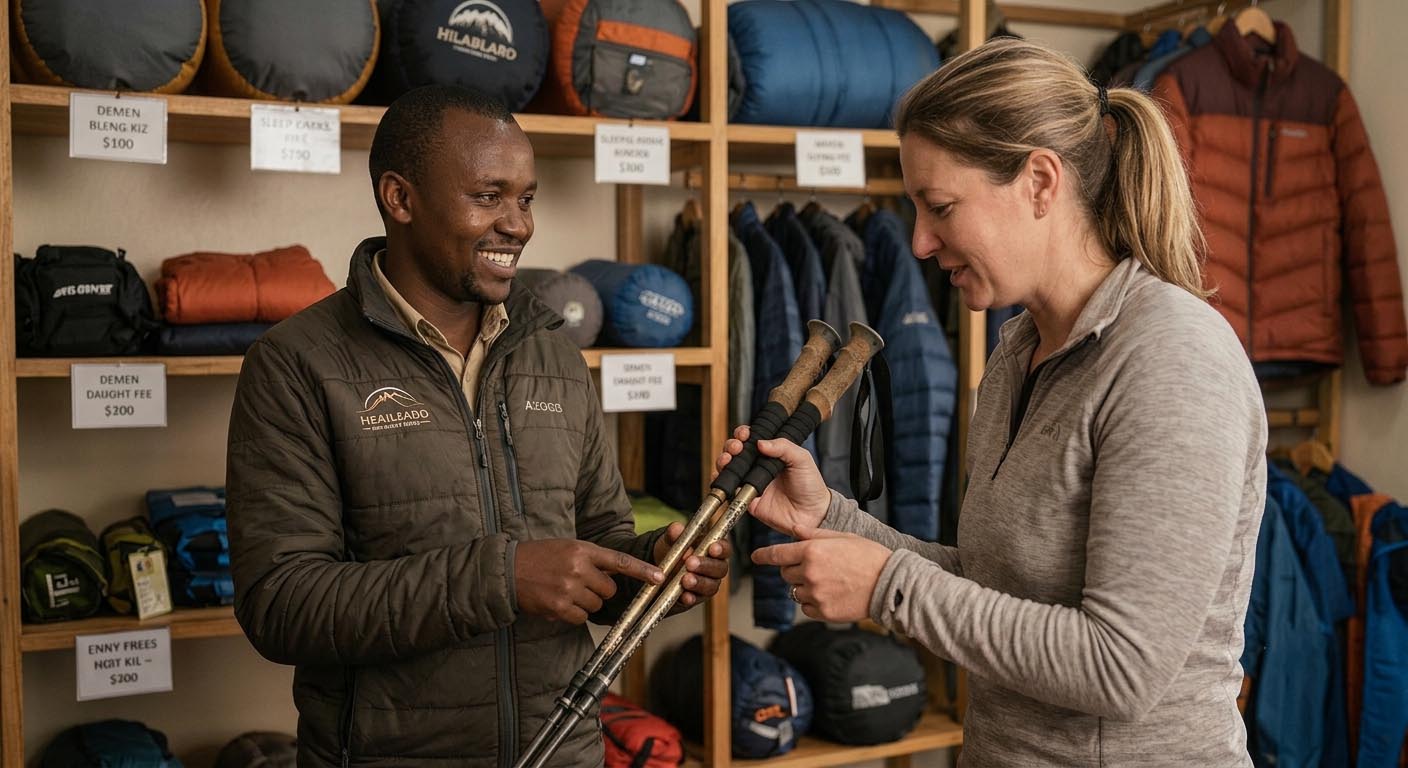
Kilimanjaro crosses rainforest, moorland, alpine desert, and freezing summit terrain. Successful packing means using dependable layers, comfortable footwear, and equipment that protects you from rain, wind, cold, and strong sunlight.
Confirm your operator's luggage limits, equipment requirements, and package inclusions before departure.
Moisture-wicking thermal tops, thermal leggings, trekking underwear, and comfortable moisture-managing socks. Synthetic or merino fabrics can help manage moisture.
A fleece or warm mid-layer, insulating trousers or thermal layers, and a lightweight insulated jacket.
A waterproof breathable jacket, waterproof trousers, and wind protection that fits over your insulating layers.
Warm insulated jacket, thermal layers, warm trousers, insulated gloves, ear-covering hat, neck gaiter, and warm dry socks.
Choose sturdy, broken-in boots with suitable grip, ankle support, and weather protection. Never begin with untested boots.
Pack several comfortable hiking socks, including warm pairs for colder sections. Keep them dry.
Lightweight shoes or sandals can provide relief after a long trekking day.
Optional gaiters can help keep dust, mud, and small stones out of your boots.
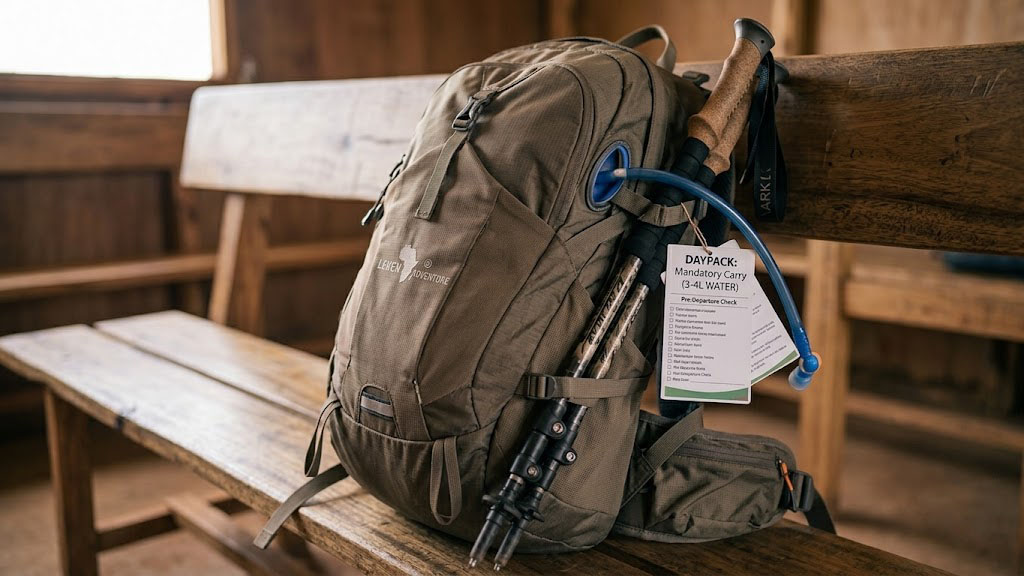
Carry water, snacks, rain protection, extra layers, sunscreen, sunglasses, headlamp, medication, and essential documents.
Use a duffel subject to your operator's luggage arrangements. Protect clothing and equipment with waterproof liners or dry bags.
Separate clean clothing, wet gear, electronics, and documents so changing weather does not compromise essentials.
Avoid unnecessary extras. Every item adds weight, so prioritize equipment with a clear purpose.
Camping routes generally require a cold-weather sleeping bag and suitable mat. Confirm specifications and what your package includes.
Marangu uses mountain huts rather than camping, but you should still confirm sleeping arrangements and bedding requirements.
Carry a dependable headlamp with spare batteries or a suitable charging solution. Keep it accessible for early starts.
Protect phones and cameras from cold and moisture. Bring charging cables, spare batteries, and a suitable power bank.
Pack high-SPF sunscreen, UV-protective sunglasses, SPF lip balm, and a sun hat.
Bring sufficient prescribed medication with documentation and keep essential supplies accessible.
Consider blister supplies, basic wound care, suitable personal pain relief, and any items recommended by your healthcare professional.
No packing list eliminates altitude risk. Report headache, nausea, dizziness, or unusual fatigue to your guide promptly.
Carry your passport, visa or entry documents, travel insurance, emergency contacts, booking confirmation, and relevant medical information.
Camping routes need suitable layers, waterproof clothing, cold-weather sleeping equipment, and supplies for the full itinerary.
Huts change the sleeping arrangement, but you still need warm clothing, a sleeping bag, and personal essentials.
Confirm route-specific terrain, duration, elevation profile, and equipment requirements with your operator.
Review the list and identify boots, waterproof clothing, or cold-weather gear you need to buy or borrow.
Test boots, check layers, and confirm the headlamp, batteries, and equipment work correctly.
Review luggage weight, organize waterproof bags, check documents, and confirm supplied equipment.
Complete a final equipment check with your guide and keep summit clothing accessible.
A suitable layering system, proper hiking boots, warm gloves, a headlamp, and sleeping equipment appropriate to your route.
Conditions vary, but summit-night temperatures can fall well below freezing. Prepare for freezing weather regardless of the base forecast.
Camping routes generally require one. Marangu uses huts, but confirm your sleeping arrangements with your operator.
Suitable broken-in hiking boots are strongly recommended for uneven terrain and long trekking days.
They are optional, but many climbers find them useful for balance and reducing strain on steep descents.
Some providers offer selected rental items. Confirm sizes, condition, availability, and charges in advance.
Carry water, snacks, rain protection, extra layers, sun protection, medication, and route-specific essentials.
Begin several weeks before departure so you have time to test, replace, or borrow important equipment.
Standing on Uhuru Peak begins with the preparation you do before your climb. Use this guide to organize your equipment, then confirm the final requirements with your climbing operator.